Lula secures fourth term in Brazil after late surge
The 80-year-old president defeated Flávio Bolsonaro by a margin of 4.3 million votes, capping a dramatic reversal from the first-round deficit.
By Noah Sullivan ·
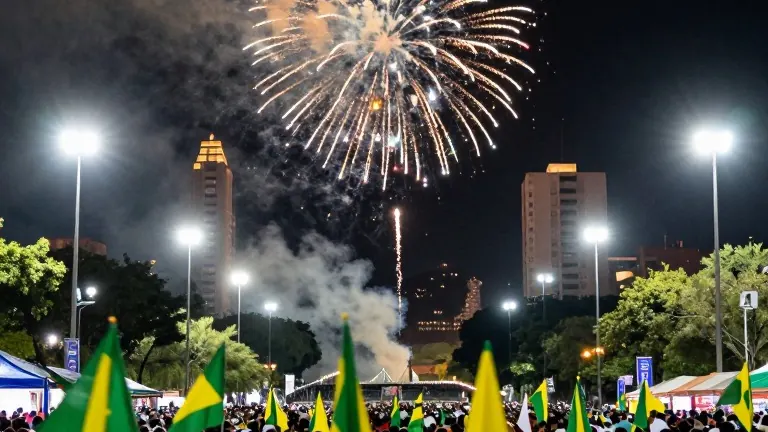
Luiz Inácio Lula da Silva won a fourth nonconsecutive term as president of Brazil on Sunday, defeating far-right senator Flávio Bolsonaro in a narrow runoff vote. The 80-year-old incumbent received 51.79 percent of the vote, while Bolsonaro secured 48.21 percent. The gap amounted to approximately 4.3 million votes out of the 159 million ballots cast by Brazilian voters.
The result represents a sharp reversal from the first-round election held in early October. At that time, Flávio Bolsonaro led Lula with 56.1 million votes against 53.8 million. The first-round tally showed Bolsonaro with 47.03 percent of the vote compared to Lula’s 45.16 percent. Since the return of democracy to Brazil in 1985, no candidate who finished second in the first round had successfully won the second ballot.
Polls tightened significantly during the weeks between the two rounds, eventually placing the candidates within fractions of a percentage point. Progressives mobilized after the first round revealed a record abstention rate of 21 percent. This high rate of non-voting was most common among lower-income voters who typically support the Workers’ Party. Millions of supporters joined a WhatsApp channel called “Lula’s army” to coordinate daily digital outreach. The president, who took ownership of his first smartphone only in recent days, began posting to Instagram and TikTok. His digital reach surpassed that of Bolsonaro for the first time.
Flávio Bolsonaro, the 45-year-old son of former president Jair Bolsonaro, refused to concede the defeat immediately. He cited a decision to extend voting by two extra hours as a reason for his reluctance to accept the outcome, although both campaigns had requested the extension. Jair Bolsonaro is currently serving a 27-year prison sentence for plotting a coup after losing the 2022 election. The senior Bolsonaro has not yet publicly conceded, adding tension to the transition period.
The campaign was marked by a series of scandals affecting the Bolsonaro side. Last week, the Brazilian magazine Piauí reported that Flávio Bolsonaro attended a boat party during the height of the 2020 coronavirus outbreak. The report claimed the senator was with sex workers and vaccine lobbyists seeking deals with his father’s government. Additionally, a dozen watchdog and research groups published reports alleging that Meta favored the senator’s campaign. Brazil’s electoral court ordered the company to stop giving candidates unequal treatment, while Meta dismissed the allegations as false and unfounded.
Tom Phillips, the Latin America correspondent for The Guardian, observed the vote count in São Paulo. He described the victory as the crescendo of Lula’s 50-year political career. Phillips noted that Lula moved from rural poverty to union leader and became the first elected working-class leader of Brazil. Under Lula’s current administration, deforestation in the Amazon has dropped by more than 70 percent. The government has also taken action against illegal mining and supported Indigenous populations in the region.
The victory has international implications regarding Brazil’s relationship with the United States. President Donald Trump did not openly endorse Flávio Bolsonaro, but he imposed 50 percent tariffs on Brazilian imports last year. Trump called the supreme court trial of Jair Bolsonaro a witch hunt and styled himself as a key figure in Latin American elections. Lula positioned himself as a defender against what he called Trump’s colonial designs. The president rejected an invitation to join a coalition of Latin American countries conducting military operations against drug cartels alongside the Pentagon, a move that would have increased US involvement on Brazilian soil.
Lula will govern with a newly elected congress that includes a record number of right-wing politicians. These legislators are often hostile to Indigenous rights and environmental policies. Flávio Bolsonaro’s vision for the Amazon was similar to his father’s, which focused on facilitating an illegal gold rush that ravaged the Yanomami Indigenous reserve. Phillips expects Bolsonaro to travel to the United States in the coming days to avoid ongoing criminal investigations. He stated that the name Bolsonaro has become toxic for a slight majority of Brazilian people.
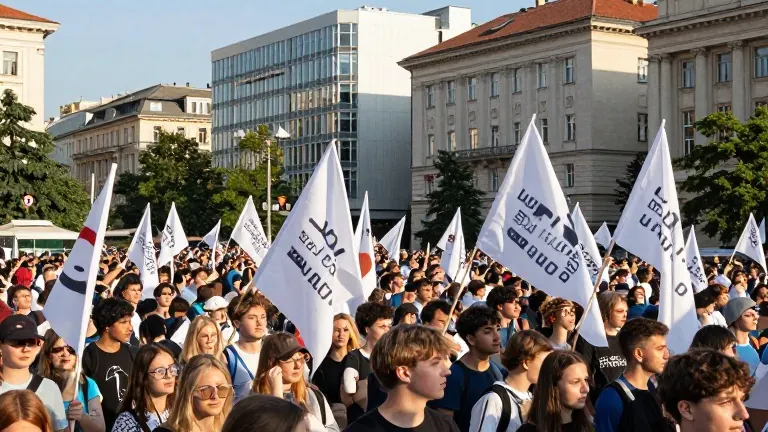
Lula turns 81 on Tuesday. The victory occurred just hours after Serbia’s student-led movement ousted its long-serving leader, Aleksandar Vučić. Leaders across Latin America and the world have congratulated Lula on the result this morning. The outcome consolidates a multilateral foreign policy and a pragmatic approach to relations with the US, China, and Russia.
Source: The Guardian